Level up your game -
How to fit good nutrition into your sports
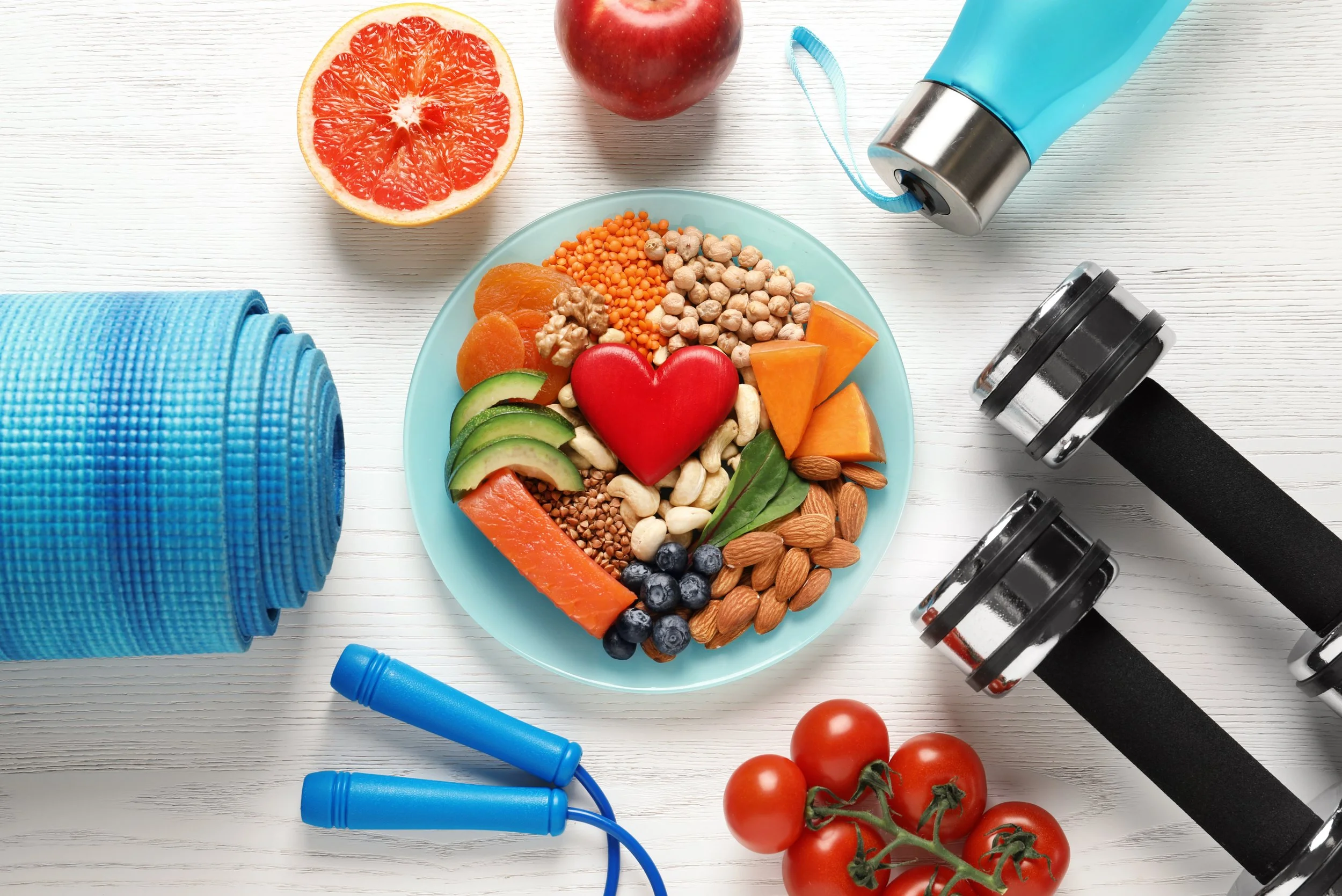
Whether you’re at the gym, playing social sport, or training for competition, what you eat can play a huge part on how well you perform, both physically and mentally.
Let’s dive into why good nutrition matters.
Why Nutrition Matters
-
Carbohydrates are your body’s preferred energy source. When consumed, they are broken down to glucose (sugar) for immediate energy. Glucose is also converted into glycogen, which is stored and used during exercise to fuel your muscles.
Part of a balanced diet, carbohydrate works to support better performance and stabilise your energy levels throughout the day.
-
Your body relies on different nutrients to function. The higher your activity level, the more nutrients your body needs. Your muscles rely on:
Carbohydrates for fuel (see point #1),
Protein for recovery,
Fruits and vegetables to support healthy bodily functions, and
Fluids to help nutrients reach their target areas and heat regulation
Fuelled with the right nutrients, your performance on and off the field naturally improves.
-
Mental wellness can impact how well you play, and food can impact your mental wellbeing.
For example,
Wholegrain carbohydrates break down slower, giving your brain a steady energy supply that can help you stay calm and focused under pressure.
Omega-3 rich foods found mostly in fish, nuts and seeds work to nourish your brain cells and reduce inflammation in the brain. This enhances communication within brain cells and can help reduce symptoms of pre-game jitters or anxiety.
Fluids work to transport nutrients in your body. Even mild dehydration can leave you feeling irritable and tired, reduce concentration and negatively affect your sporting performance.
To learn more about the link between food and mood, check out our blog here.
-
A good balance of macronutrients, micronutrients and fluids work to support your immunity, strength, mood, and energy - helping you perform at your best every day.
Level Up Your Plate: Easy swaps for a balanced plate
Small changes can make a huge difference! Here are some menu hacks to help boost your plate every day!
What should you be eating for breakfast?
A nutritious breakfast sets the tone for the day by providing the energy and nutrients your body needs to function at its best. Just like lunch or dinner, a balanced breakfast should include a variety of food groups where possible.
While breakfast is often seen as a carbohydrate-heavy meal (think toast or cereal), a simple swap or addition, such as incorporating wholegrains, fruits, protein (nuts and seeds are also part of this group!), or even some vegetables can make your breakfast more balanced and significantly boost your nutrient intake.
Whilst having breakfast at the halls, try different breakfast combinations such as:
Natural or toasted muesli + yoghurt + fresh fruits or berries
Wholegrain toast + peanut butter + sliced banana, and a side of yoghurt and/or berries
Chia seed pudding + muesli + berries, and a glass of milk
Mix of cornflakes and bran flakes* + milk of choice* + dollop of peanut butter + berries
Top Tip!
Mix and match your favourite cereal with some high fibre options like Weetbix, muesli or bran flakes to boost fibre intake
Opt for reduced or trim milk to boost calcium intake without the added saturated fats
Additionally!
Include hot breakfast options available on Wednesday and Saturdays into your breakfast rotation for some vegetable and protein packed breakfast!
For Sunday brunch, build your own café brunch menu such as:
Eggs on wholemeal toast with a side of roasted mushrooms
DIY ‘big breakfast’ with wholegrain toast + eggs + bacon + roasted mushrooms + side salad
But I don’t have enough time to sit down and have breakfast!
Instead of skipping breakfast, make it a quick grab and go one! Think of:
Peanut butter and banana sandwich on wholegrain bread/toast + a piece of fruit
Marmite/vegemite sandwich on wholemeal bread + a piece of fruit
Chia seed pudding topped with muesli and berries (don’t forget to bring your own spoon!)
Or alternatively, get into the habit of setting your alarm for 15-20 minutes earlier to give you that extra time to have a quick breakfast.
If you’re not a breakfast fan, don’t feel pressured to have a big breakfast. Keep it simple and achievable such as 1-2 slices of toast with spread of choice with a glass or milk, or a third cup of muesli or bran flakes with milk and berries.
Breakfast, does it hold the title of the most important meal of the day?
Perhaps it is more accurate to say that a balanced breakfast is just as important as a balanced lunch and dinner.
Still, there is no denying that breakfast plays a significant role of refuelling your body and mind after a good night’s rest and helps set the tone for the day ahead. So while every meal matters, starting your morning with a nutritious breakfast can help you have an oat-standing rest of the day!
-
Oxford English Dictionary. (n.d.). Breakfast, n. Retrieved July 18, 2025, from https://www.oed.com/dictionary/breakfast_n?tl=true
National Research Council. (2016). Nutritional needs and breakfast. National Center for Biotechnology Information. https://www.ncbi.nlm.nih.gov/books/NBK482512/
El-Zeini, L., McCaffrey, T., & Campbell, A. (2023). Breakfast and cognitive function in adults. PLOS ONE, 18(6), e0282085. https://doi.org/10.1371/journal.pone.0282085
Smith, J., & Jones, P. (2010). Breakfast and nutrient intake. Journal of Human Nutrition and Dietetics, 23(6), 536–542. https://doi.org/10.1111/j.1467-3010.2010.01873.x
Brown, K., Lee, S., & Martin, R. (2022). Breakfast timing and metabolism. Journal of Nutritional Biochemistry, 108, 108214. https://doi.org/10.1016/j.jnutbio.2022.108214
Miller, A. L., et al. (2018). Breakfast and academic performance. Nutrition Journal, 17, 72. https://www.ncbi.nlm.nih.gov/pmc/articles/PMC6215927/
Davis, R. E., et al. (2016). Breakfast quality and cardiovascular risk. Journal of Adolescent Health, 59(5), 541–546. https://www.ncbi.nlm.nih.gov/pmc/articles/PMC4863264/
Nguyen, S. T., & Patel, R. (2023). Breakfast habits and weight outcomes. Frontiers in Nutrition, 10, 1012345. https://www.ncbi.nlm.nih.gov/pmc/articles/PMC9641984/